

Key Takeaways
-
Slow weight loss and specific glute exercises preserve muscle thickness, which avoids a flat butt after weight loss.
-
We recommend consulting a qualified fitness professional and nutritionist to create a customized plan because genetics and hormones play a large role in body shape.
-
Add a mix of compound and isolation glute exercises, progressive overload and good form to reconstruct your glutes.
-
Focus on a balanced diet with plenty of protein and a calorie intake tailored to promote muscle repair and growth.
-
Posture and core work help to make the butt look better and promote better alignment.
-
Professional options, both non-surgical and surgical, exist but should be considered carefully with direction from qualified practitioners.
Flat butt after weight loss solutions range from targeted strength training and diet modifications to minor cosmetic treatments. A lot of us experience less booty shape post-weight loss because you lose fat and muscle.
Basic moves such as squats and lunges can assist you in building back muscle. Protein-packed foods maintain muscle repair.
If you want more rapid solutions, there are non-invasive body contouring options. The body will discuss each method more thoroughly.
Understanding The Causes
Post-weight loss flat butt usually stems from a combination of body changes that extend below mere fat loss. A few things can influence how your butt looks — muscle, fat, genetics, hormones, lifestyle. It helps to understand the causes so you can choose the right ones if you want to repair or prevent this shift.
Muscle vs. Fat
-
Muscle is dense and firm. It supports shape and burns energy even at rest.
-
Fat: soft, stores energy, covers muscles, changes with diet.
-
Muscle loss leads to less volume, a flatter look, and less firmness.
-
Fat loss: shrinks size, and if muscle is strong, shape stays.
-
Body composition: The balance between muscle and fat is important, not just scale weight.
Developing glute muscles makes a huge difference. When you lose weight without exercising, you lose muscle as well, so your butt becomes flatter. Sitting for hours on end, or simply not moving much, atrophies your glutes. Over the years, they lose tone and the skin can sag.
Targeted exercises such as squats and lunges help bring the muscle back and some shapeliness. Knowing your muscle-to-fat ratio will tell you if you’re making true progress and not just what you see on the scale.
Weight Loss Speed
|
Weight Loss Speed |
Muscle Loss |
Skin Sag |
Buttock Appearance |
|---|---|---|---|
|
Gradual (0.5–1 kg/week) |
Minimal |
Low |
Maintains shape |
|
Moderate (1–2 kg/week) |
Moderate |
Some |
Slight flattening |
|
Fast (>2 kg/week) |
High |
High |
Sagging/flatter |
Sure, losing weight quickly sounds alluring but that usually translates into losing muscle, including in your butt. Rapid weight loss makes skin sag because it doesn’t have an opportunity to retract.
Slower weight loss preserves muscle, preserves elasticity of skin and results in less sagging and flattening in the final result. Slow and steady people hold on to results longer. Bouncing of weight up and down stretches the skin and muscles, causing the butt to lose tone.
Genetic Blueprint
Genes lay the groundwork for body shape and fat distribution. Some of us are born with squatter or fuller butts, while some of us are less so, just from our DNA. Even with ideal workouts and nutrition, genetics still play a role in which areas stay firm or go flat.
If you have a family history of a flatter butt, it will be more difficult for you to observe significant change. That’s why it’s helpful to use fitness and food plans that align with your body. Knowing your genetic map makes it easier to choose exercises that fit your shape.
For some, sculpting the glutes with weights works best. For others, an emphasis on all-around fitness provides balance.
Hormonal Influence
Hormones such as estrogen and testosterone instruct your body where to store fat and how much muscle to retain. When your hormone levels shift, like during menopause or with aging, you can lose muscle and collagen. This means the butt blows flat and skin becomes less firm.
They can also pop up if you’ve got health problems or major life transitions. Aging lowers hormone levels, so skin and muscles lose their bounce. Extended sitting inhibits circulation and deactivates glutes, exacerbating these impacts.
Add to that some consistent exercise, good nutrition, and sufficient rest, and you can help regulate those hormones. Certain exercises stimulate hormone production, which can assist in rebuilding glute muscles.
Rebuilding Your Glutes
Rebuilding your glutes post-weight loss is about shape, strength, and function. Glutes can take years to rebuild and we’re all going to have a different outcome. A combination of smart workouts and consistent habits goes a long way.
1. Compound Movements
Compound moves such as squats and deadlifts engage the glutes as well as other lower body muscles. When performed with heavier loads, these lifts help ignite muscle growth and sculpt your glutes.
Form is everything to prevent injuries: chest up, feet flat, and hips back on squats. By introducing moves like step-ups and Bulgarian split squats, you add a bit more variety and start to target the glutes from other angles.
Pair these compound lifts with single-leg work for a complete approach.
2. Isolation Work
Add isolation exercises like hip thrusts and glute bridges to specifically target the glutes. Concentrate on feeling the glutes engage throughout each rep.
This mind-muscle connection multiplies your gains. Increase the challenge of these moves with resistance bands or light weights.
Change isolation moves every few weeks to eliminate boredom and keep muscles guessing. Strong, focused glute work builds a foundation for results that stand the test of time.
3. Progressive Overload
As with any muscle-building effort, glutes require new challenges. Progressive overload is increasing the weights, resistance, or reps over time.
Measure in all workouts, even little tweaks. Occasionally interchange reps and sets so the body stays challenged.
Without this step, muscle growth can stall and results will slow. These small, steady increments force your glutes to grow stronger and fuller.
4. Proper Form
Good form protects you and keeps glute muscles firing like they should. Spend the time to learn the proper technique or consult a fitness trainer.
A mirror or filming yourself spots mistakes. Controlled motions, rather than rapid-fire or sloppy reps, deliver superior muscle utilization and reduce injury risk.
Stretches such as figure-four or hamstring stretches assist posture and prevent tightness.
5. Workout Frequency
Glutes take time and practice to rebuild. Target two or three concentrated strength workouts per week, with rest days in between.
This routine allows muscles to recuperate and grow stronger. The rhythm can shift; some require additional recovery, some less, but missing workouts or insufficient rest impedes advancement.
Consistency is key, and give it time to change.
Nutritional Strategy
A clever nutritional strategy could keep your glutes hard and sculpted even as you drop pounds. Your diet has a huge impact on building muscle and avoiding losing muscle, which you definitely don’t want. You don’t want a flat butt after weight loss.
These are the main parts of a well-balanced diet for muscle growth:
-
Protein: Eat enough high-quality protein to help muscles recover and grow. Protein is required for muscle repair, particularly after you exercise or engage in strength training.
-
Calories: Make sure you eat enough calories to fuel your workouts and give your body what it needs for muscle building. Undereating will make you lose muscle, not fat.
-
Carbs and Fats: Carbohydrates provide energy for tough workouts, while healthy fats support recovery and hormone health. Both are necessary for a nutritious diet.
-
Hydration: Drink two to three liters of water every day. If you work out a lot or live somewhere warm, drink even more. Water keeps your skin healthy and aids muscle function.
-
Slow Weight Loss: Aim to lose about 0.5 to 1 kilogram (1 to 2 pounds) per week. Slow, steady weight loss safeguards muscles and skin.
-
Lifestyle: Pair nutrition with regular weight training two to three times a week and get help from nutrition counseling if needed.
Protein Priority
A protein-rich diet is essential for muscle definition and tone. Here’s the nutritional strategy: opt for chicken, beans, tofu, fish, lentils, and eggs. These aid muscles in recovering from workouts and prevent muscle loss during weight loss.
Consuming a protein-based snack or meal post-workout allows your body to recover and build new muscle strands. For some, it’s difficult to get sufficient protein from food alone, especially if they are active or have dietary restrictions.
Protein powders or bars can fill the void, but whole foods are best. Balance protein with carbs and fats for satisfying meals that keep you going.
Caloric Needs
Your daily calorie requirements are a function of your activity, body size, and objectives. If you exercise, you’ll require more calories to build muscle than if you don’t. Start with a calorie calculator or consult a nutritionist to determine your baseline.
Modify as your weight or activity shifts. Choose nutrient-dense foods, such as fruits, vegetables, lean meat, grains, nuts, and seeds. Don’t fill up on empty calories, like soft drinks and candy, which don’t support muscle or health.
Monitor your weight and muscle loss and adjust your caloric consumption accordingly to keep you on target.
Nutrient Timing
Eating at the proper times during the day aids your performance and muscle repair. Before you exercise, a snack containing carbohydrates, caffeine, and protein can energize you. After, protein and some carbohydrates repair and rebuild muscles.
Attempt to consume meals within one to two hours of working out. Some folks perform optimally eating pre-workout, others post. Experiment with different times and find what seems to work for you.
Adhering to a consistent schedule allows your body to maximize the use of nutrients for muscle growth and repair.
The Posture Factor
Posture is one important piece of the glutes appearance post-weight loss puzzle. Your posture can accentuate or disguise muscle tone, particularly in the lower body. Focusing on posture benefits not only the appearance of the gluteus but the functionality of the muscular system as a whole.
Bad posture, extended hours of sitting, and weak core muscles can leave glutes looking flat even if you’ve shed pounds or gotten toned. A little work on alignment, core stability, and some daily habits can go a long way toward supporting a fuller, stronger appearance.
Pelvic Tilt
When your pelvis is tilted, it creates a curve in your lower back and buttocks. When the pelvis tips too far forward, or in an anterior tilt, the lower back arches and the glutes can appear less rounded. A backward tilt, or posterior tilt, can flatten the glutes and compress the lower back.
Pelvic tilt exercises like bridges or lying pelvic tilts retrain the core and hip muscles to maintain a neutral pelvis. This helps both better posture and glute activation. Pelvic alignment is important when you’re on the move.
Resetting your pelvis when you get up from a chair or checking it in the mirror as you brush your teeth can be good posture reminders. Applying this attention in the gym, for instance, by maintaining a neutral pelvis when squatting or lunging makes the glutes work harder and develop that much stronger.
Most people discover that sprinkling these little checks and corrections throughout the day results in improved tone in the muscles after a while. Better pelvic alignment can relieve lower back pain and inhibit muscle imbalances.
Core Stability
A strong core backs the spine and stabilizes the pelvis. It supercharges your glute workouts by enabling your glutes to actually ignite as you move. Exercises like planks, bird dogs, and stability ball rollouts are good for core strength and control.
Developing core stability aids balance, decreases potential back pain, and supports improved posture while training and in your everyday activities. For the desk-dwellers among us, a powerful core can keep your pelvis in a position that keeps your glutes activated instead of allowing them to weaken.
So make sure to incorporate core stability work into both warm-ups and main workouts. Combining your core work with glute work, like pairing planks with hip thrusts, will result in more well-rounded strength gains and improved overall physique.
Daily Habits
-
Use reminders or triggers, like a mirror, to check your posture.
-
Take short movement breaks every hour to activate your glutes and stretch your hips.
-
Sit upright with feet flat and shoulders relaxed.
-
Stand tall, keep weight balanced, and avoid locking knees.
-
Reset pelvis when standing up or shifting positions.
-
Add corrective stretches or foam rolling to your routine.
Sitting for glute-killing long hours only serves to make the situation worse by weakening your glutes and causing even poorer posture. Movement breaks help fight this and keep muscles activated.
Once you get in the habit, good posture when sitting and standing becomes automatic. Small decisions, like employing a standing desk or walking while you talk, bolster general body wellness and keep buns of steel.
Professional Options
Professionally, options for a flat butt after weight loss can be non-surgical or surgical. Both have distinct advantages, drawbacks, and upkeep requirements. These are definitely points worth careful consideration, talking with your own specialists and aligning the plan with your personal preferences and health objectives.
|
Option |
Pros |
Cons |
|---|---|---|
|
Non-Surgical |
Minimal downtime; gradual changes; fewer risks |
Temporary results; maintenance needed; slower improvement |
|
Surgical |
Dramatic, lasting changes; addresses volume and laxity |
Higher risk; longer downtime; surgical risks |
Non-Surgical
Non-surgical treatments checklist:
-
Injectable fillers (think hyaluronic acid) for minor volume, though effects are only months long so repeat visits are necessary.
-
Fat transfer (non-surgical) looks natural, but only works if you have donor fat.
-
Options such as EmSculpt Neo and CoolTone stimulate and tone muscle, enhancing firmness with various treatments.
-
Minimally invasive tools like Renuvion, RF Microneedling or Aveli assist in tightening loose skin, but results are moderate and multiple treatments may be necessary.
-
Pairing non-invasive treatments with focused glute workouts tends to provide increased lift and shape.
Non-surgical options are notable for having minimal downtime and reduced risks relative to surgery. These treatments typically fit for those looking for subtle, natural results and don’t want a big impact on their routine. Most non-surgical treatments target minor improvements in volume, muscle tone, or skin quality.
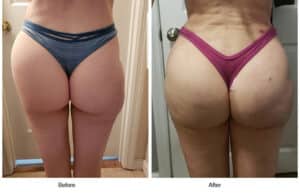
Common side effects of non-surgical treatment are minor, such as swelling, bruising, or soreness. Recovery is quick, a few days at most. Since results can diminish, you’ll need repeat treatments every six to twelve months, depending on the technique.
Going over these choices with a competent practitioner tailors the approach to your specific needs and expectations. Each plan is personalized to your concerns, whether that is laxity or volume loss, and sets achievable goals.
Surgical
Surgical options such as the BBL and implants provide more striking, longer-term outcomes by volumizing, contouring, and lifting sagging skin. These solutions suit individuals suffering major volume loss or skin laxity post-weight loss and can deliver a more youthful contour.
Risks and side effects are more significant than non-surgical means. Problems may involve infection, scarring, or lumpy results. Downtime is considerable, usually two weeks or more of minimal activity, and exercise restrictions for 6 to 8 weeks. Some pain and swelling are standard during recovery.
A careful consultation with a skilled plastic surgeon is paramount. Professionals can advise the most effective surgical options according to body type, skin elasticity, medical history, and result preference. Pre-op could involve lab work, pre-surgery lifestyle changes, and arranging for assistance at home during recuperation.
Right post-op care is essential. This means adhering to care instructions, attending follow-up visits, and slowly increasing physical activity to promote healing and maximize results.
Mindset & Patience
Mindset & Patience – A great attitude and honest perspective on how bodies shift is key when sculpting a flat butt post weight loss. Body neutrality is about viewing your body as it is, without any judgment. It’s a mindset and patience thing that reduces the anxiety of pursuing a particular aesthetic.
Embracing incrementalism will keep you in the game, even as the wheels turn slowly. Every body reacts differently to this, so don’t compare yourself to anyone. Some will experience transformations rapidly, while the rest of you will need years to build glute muscle. This is okay and doesn’t mean that you’re doing something wrong.
Patience is required as building muscle is a slow endeavor, especially when it comes to glutes. Typically, people observe early shifts at approximately four to six weeks after initiating a novel workout or treatment. Complete transformations still require up to three months or more.
Hustling, shaking up sets and reps every few weeks, and sticking with it brings results. If you do the same thing for too long, your body will adapt and stop transforming. That’s why it’s a good idea to mix things up. Throw in resistance bands, alter your rep range, or try new glute-focused movements. Keeping your body challenged is part of the long game.
Such realistic goals can assist with motivation and prevent the corresponding deflation that occurs when we expect too much too soon. For example, targeting a safe weight loss of 0.5 to 1 kg per week allows you to maintain muscle and shed fat. This cautious, gradual route allows your body to adjust and reduces the risk of shedding muscle along the way.
Minor victories, such as incorporating several additional squats into your routine or extending your plank time by minutes, merit their own celebration. These micro-steps demonstrate obvious momentum.
Mindset and patience are a big part of the journey, too. Simple things like checking your posture, resetting your pelvis while sitting or walking, and ensuring you activate your glutes in daily movements can accumulate. These small shifts keep your booty engaged, even beyond the weights room.
Nutrition counts too. Distributing protein intake throughout the day, as opposed to eating it all at once, provides your muscles with what they crave for growth and repair. This requires focus and the patience to persist with small habits.
Conclusion
Weight loss can shrink your glutes, but a flat butt is not inevitable. Smart moves like glute-focused workouts, sufficient protein, and good daily posture can help sculpt your backside once more. Others seek out pro assistance, like trainers or safe fillers, but consistent at-home effort usually yields solid results. Quick fixes almost never do. Only patience and real habits sculpt a shape that hangs on. Lots of us have this issue, so don’t worry, you’re not alone. To witness real change, go simple and stick with it. Need more tips or reality guides? Post your experience or see more advice here.
Frequently Asked Questions
Why does my butt look flat after weight loss?
Fat loss can steal volume from your glute area. A flat butt after weight loss can be due to genetics and quick weight loss factors.
Can I rebuild my glutes after weight loss?
Yes, you can restore your glutes through strength-specific movements like squats and lunges. Regular strength training and proper nutrition promote muscle development and a more voluminous look.
What foods help grow glute muscles?
Protein-rich foods like beans, lean meats, tofu, and nuts build muscle. Add in whole grains, good fats, and lots of veggies for full body assistance.
Is bad posture linked to a flat butt?
Weak posture can get those glutes looking flat. Standing and sitting with good posture keeps your glute muscles engaged and looking better.
How long does it take to see results from glute exercises?
Most people see some decent progress within 8-12 weeks of dedicated training. Outcomes vary based on consistency, diet, and genetics.
Are professional treatments safe for butt enhancement?
Medical solutions, such as gluteal fillers or implants, may work. They’re risky. As always, check in with a trusted board-certified doctor to go over safety and what to expect.
Can mindset affect my body transformation?
Yes, attitude and patience. It doesn’t come overnight and motivation keeps you on track to get and stay long-term results.