
Key Takeaways
-
Pause GLP-1 drugs like Ozempic prior to elective liposuction to curb anesthesia aspiration risk and work with your surgical team to coordinate safe perioperative timing.
-
Make sure you have adequate wound healing and consistent oral intake before resuming Ozempic. Even then, consider staged reintroduction to avoid nausea, dehydration, and impaired wound healing.
-
Be aware of metabolic changes from GLP-1–induced fat loss that impact glucose, lean mass, and nutrient requirements. Monitor glucose and tweak diabetic medicines accordingly.
-
Expect potential issues like delayed wound healing, deficiencies, dehydration and mottled fat quality post quick weight loss. Schedule for better nutrition support and monitoring.
-
Pair surgical planning with multidisciplinary care — your surgeon, endocrinologist, and a nutritionist — to fine-tune timing, candidacy, and long-term maintenance of results.
-
Sustain weight loss with diet, exercise, and the right medications to extend your lipo results and prevent a rebound of pounds.
Ozempic and liposuction timing is about how long you should wait between semaglutide injections and liposuction. Medical advice differs, but typical recommendations are to discontinue semaglutide a few weeks prior to surgery to reduce risks of complications such as delayed wound healing and hypoglycemia.
Surgeons would typically suggest restarting the medication once the wound displays early healing, approximately two to four weeks. Talk to your surgeon and prescribing clinician for a plan that’s customized to you.
Understanding Ozempic
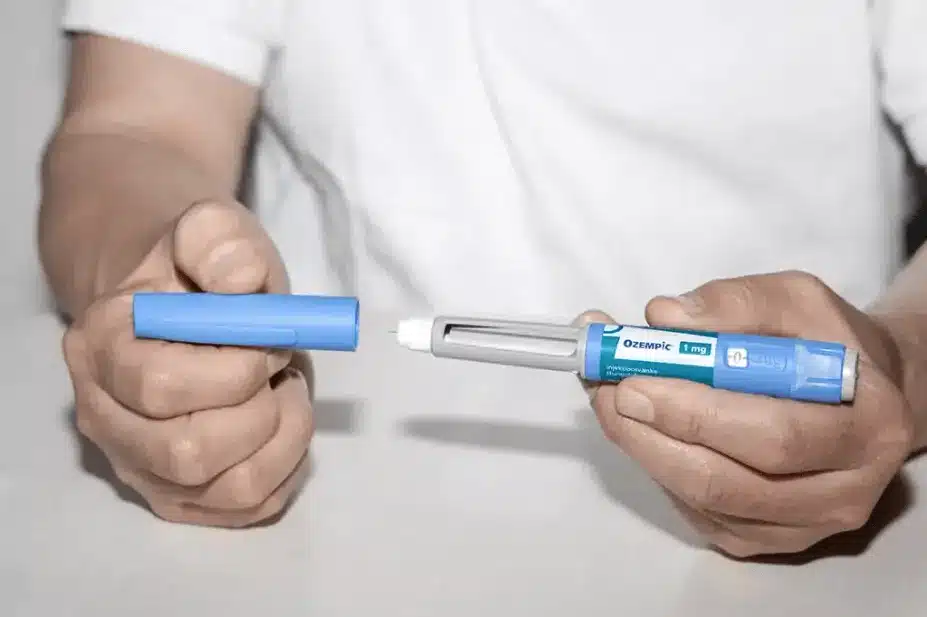
Ozempic, a type 2 diabetes drug, is a glucagon-like peptide-1 (GLP-1) receptor agonist. It copies the hormone GLP-1 to manage blood sugar and suppress appetite. It’s delivered as a weekly subcutaneous injection and hits GLP-1 receptors to decelerate gastric emptying, increase insulin responsiveness and facilitate weight loss.
Average study participants have experienced anywhere from 10 to 20 percent body weight loss. Side effects are prevalent; up to 44 percent of patients experience nausea, vomiting, or diarrhea, resulting in dehydration or undernutrition. The drug’s effects last only with weekly dosing, so if you stop Ozempic, you tend to gain the weight back unless lifestyle or other treatments persist.
Metabolic Effects
Ozempic slows gastric emptying, so food leaves the stomach more slowly and makes folks feel full for longer, which further reduces calorie intake and promotes weight loss. This mechanism blunts post-meal blood sugar surges and enhances metabolic regulation in numerous individuals.
GLP-1 drugs address insulin resistance by increasing insulin secretion when we eat food and decreasing glucagon, which lowers glucose production in the liver. Lower blood glucose and insulin signaling shifts alter fat storage, frequently promoting visceral fat loss.
Quick weight loss can affect muscle and resting metabolic rate. Patients may lose lean mass unless they engage in resistance exercise and sufficient protein consumption. Compared with bariatric surgery, the metabolic shifts from Ozempic are parallel: improved insulin sensitivity and suppressed appetite, but usually smaller and slower.
Bariatric surgery often results in more pronounced hormonal shifts and greater, quicker weight loss. Medical weight loss with GLP-1 agonists is less invasive, but needs to be continued to maintain results.
Appetite Regulation
GLP-1 receptor agonists decrease hunger by targeting centers in the brain that regulate satiety and cravings, making calorie-dense foods less enticing. This appetite reduction is a big part of why so many patients lose weight long-term on the drug.
While persistent appetite suppression keeps early relapse at bay, long-term success still hinges on behavior and diet. Your nutrition, yes, a balanced plan with sufficient protein, fiber, and micronutrients, matters because the drug itself does not automatically ensure a healthy body composition.
Patients should anticipate changed hunger signals on treatment, with sensations of fullness lingering. After liposuction, hunger cues and energy requirements can fluctuate even more. The cumulative impact can put you at risk of dehydration or malnutrition if your intake drops too low.
Beyond Diabetes
Ozempic has gone from diabetes to obesity and metabolic disease management to even cosmetic weight-loss aspirations. The GLP-1 trend is that non-diabetic patients are more frequently being prescribed GLP-1s for chronic weight management when lifestyle measures aren’t enough.
It’s known for significant weight loss, better metabolic markers, and lower cardiometabolic risk in many users. The transition from diabetes-only to general weight-loss use has fueled demand but concerns about long-term safety, availability, and when to operate.
Common off-label or expanding uses include chronic weight management in non-diabetic obesity, preoperative weight loss before elective surgery, treatment of metabolic syndrome components, and adjunct to lifestyle programs for sustained weight control.
Critical Timing
The timing of medication and surgery impacts safety, wound healing, and the cosmetic outcome. Precise planning prior to liposuction minimizes anesthesia hazards and facilitates predictable results. Record the last dose, scheduled drug holiday, and restart moments so the entire team is aware of the plan.
1. Pre-Surgery Pause
Cease Ozempic and other GLP-1 meds before elective anesthesia to reduce aspiration risk. Critical timing is important; most specialists advise at least 1 week stop, and some recommend 1 to 4 weeks based on dose and half-life, with the specific drug and dosing schedule dictating the exact timing.
Record last dose on medication log to share with anesthesiologist or surgeon. GLP-1 agents slow gastric emptying, so contents can be higher than anticipated despite normal fasting. Patients who took these drugs within 10 days of surgery had greater residual gastric content.
For elective procedures, plan for at least 3 to 6 months of weight stability prior when possible, as active weight change makes planning more challenging.
2. Anesthesia Risks
GLP-1–induced delayed gastric emptying increases aspiration risk with general anesthesia. Even routine fasting can leave lingering contents, heightening the risk of pulmonary aspiration. Rapid weight loss and metabolic changes alter anesthetic requirements and drug disposition.
Dose modification and vigilant monitoring might be necessary. Deadhead from the drug can affect blood sugar control in the perioperative window, endangering hypoglycemia or hyperglycemia if insulin or oral agents are switched.
Pay close attention to hydration, fasting, and nutrition. Potentially adjust fasting rules when GLP-1 drugs have been used, and plan IV access and glucose checks.
3. Post-Surgery Restart
We only restart GLP-1 therapy when their PO is stable and their wounds are starting to heal. Early restart can induce vomiting, decrease intake, dehydrate and delay recovery.
A lot of surgeons advise waiting until the patient can tolerate a normal diet and is beyond the immediate inflammatory phase of 2 to 6 weeks or stepping down the reintroduction. Document restart criteria: days since surgery, wound status, weight stability, and ability to meet nutritional needs.
Staged reintroduction helps prevent radical metabolic changes and allows tissue repair.
4. Individual Factors
Critical timing Customize timing based on age, comorbidities, diabetic status, baseline weight, and procedure type. Diabetics require stricter glucose control.
Those with significant recent weight loss should wait until weight has been stabilized for a few months to prevent alterations in excision amount and skin redrape. Specialty procedures such as chin liposuction or fat grafting are prone to different activity restrictions.
Surgeons frequently limit heavy lifting for a few weeks but permit lighter activity within days and a return to normal routines by one to two weeks. Think about an individual plan that synchronizes your medication vacation, surgical date, and follow-up milestones.
Potential Complications
-
Bleeding: Patients may experience bleeding during or after the procedure, which can lead to complications such as hematoma formation.
-
Infection: There is a risk of infection at the incision sites, which can require antibiotics or additional procedures to address.
-
Seroma: Fluid accumulation can occur in the surgical area, leading to swelling and discomfort, and may require drainage.
-
Anesthesia risks: Adverse reactions to anesthesia can happen, which may include respiratory issues or allergic reactions.
-
Scarring: Liposuction can result in visible scars, which may vary in appearance depending on the individual’s healing process.
-
Uneven results: Patients may experience asymmetry or irregularities in contour, requiring further procedures to correct.
-
Blood clots: There is a risk of developing blood clots in the legs or lungs, which can be life-threatening if not treated promptly.
-
Delayed healing: Some patients may experience slower recovery times, which can prolong discomfort and affect overall satisfaction with the results.
-
Altered anesthesia and aspiration risk: GLP-1 drugs slow gastric emptying. Research indicates that as many as 25% of patients with a 10-day stop could potentially have residual stomach contents. Leftover stomach content heightens the chance of aspiration while sedated, which happens in about 1 in every 2,000 to 3,000 sedated procedures and can cause lung trauma, infection, or death.
A few pulmonary aspiration incidents have been associated with previous weight-loss drug use. Even after typical fasting, reduced motility can mask food, making typical fasting guidelines inadequate.
-
Impaired wound healing and poor cosmetic outcome: Rapid weight loss before or after liposuction can reduce subcutaneous fat support and impair elastin formation. This increases the risk of bad incision healing and the presence of loose skin, resulting in less than ideal aesthetic outcomes, particularly in patients with massive weight loss.
-
Metabolic and electrolyte disturbances: The overlap of medication effects and surgical stress can cause dehydration and electrolyte imbalance. These derangements elevate the risk for arrhythmia, delayed healing, and extended recovery. Malnourished patients from decreased intake are at increased risk.
-
Glycemic instability: Perioperative changes to GLP-1 therapy can cause hypoglycemia or hyperglycemia in both diabetic and non-diabetic patients. Inconsistent oral intake and altered medication regimens complicate glucose control and increase perioperative risk.
-
Immune and nutritional compromise: Chronic reduced intake and rapid weight loss can cause vitamin and mineral deficits, weaken immune response, and raise infection risk after liposuction. Monitoring and supplementation are frequently required.
Delayed Healing
Fast fat loss and GLP‑1 drugs can slow tissue repair by limiting nutrients and damaging elastin production. Skin requires protein, vitamin C, zinc, and calories to regenerate. When intake is low, collagen and elastin are restricted in their formation, and wounds gape or scar ineffectively.
Patients with massive weight loss demonstrate increased rates of incision breakdown and contour irregularities about possible complications. Advanced nutrition protocols, including elevated protein (1.2–1.5 g/kg), micronutrient screening, and customized supplementation, are often necessary post-liposuction to facilitate recovery.
Loose skin and a less than ideal aesthetic result occur when healing is impaired. Surgeons might require staged procedures or adjunctive skin-tightening if healing is poor.
Blood Sugar
-
Perioperative medication changes can cause glucose swings. Ceasing GLP‑1 can cause glucose to increase.
-
Decreased intake or vomiting can lead to hypoglycemia, particularly if insulin or dose is not adjusted.
-
Stress response to surgery can make glucose worse independent of medications.
-
Drug interactions and timing create gaps in glycemic control.
Routine metabolic panels and point-of-care glucose checks, pre and post surgery, are a must. Tweak insulin and other diabetes meds with endocrinology guidance to prevent hypoglycemia and hyperglycemia.
Nausea Issues
GLP‑1 agonists typically induce nausea, vomiting, and decreased oral intake. Continual nausea puts the patient at risk for dehydration and nutrient absorption issues, which in turn can decelerate the wound healing process.
Handle GI side effects with small bland meals, oral rehydration solutions, antiemetics and clear-fluid strategies to maintain hydration. If severe nausea limits intake or wound care, pause GLP-1 therapy and coordinate timing with surgeon and endocrinologist.
Surgical Outcomes
Pre-existing weight loss from GLP-1 therapy like semaglutide changes the surgical landscape for liposuction. Surgeons must evaluate fat quality, skin tone, and the stability of the patient’s weight before planning procedures. Medication-related factors, such as dehydration, GI symptoms, or altered gastric content, affect perioperative risk and timing.
Fat Quality
Fast or significant weight loss tends to thin subcutaneous fat and alter its consistency. Formerly dense, fibrous fat can help soften and reduce in volume, whereas visceral fat patterns are less accessible to liposuction and may stay the same. Thinner fat layers restrict how much volume is safe to extract.
Assertive efforts may result in contour irregularities or dimpled skin. Following major Ozempic weight loss, asymmetrical fat pockets can still remain. Fat pockets resist medication and cause imbalance. Surgeons should chart distribution meticulously, rely on imaging and pinch tests, and treat thin-layered areas with more conservative excision.
For example, patients who lose 10 to 20 percent body weight may discover the remaining fat is in the flanks or upper abdomen. Targeted, minimal-volume lipo or staged sessions often surpass one big procedure.
Result Maintenance
Maintaining liposuction results is reliant on continued weight management and behaviors. Ongoing GLP-1 treatment can help sustain weight, but it’s within the context of a comprehensive lifestyle plan that includes diet and exercise. Stopping medications without a plan often leads to weight regain.
Surgical outcomes indicate that regaining even a small percentage of body weight can shift fat to new areas and terminate some contouring gains. Frequent follow-up allows the team to fine-tune medication, macronutrient consumption, and activity to avoid recurrence.
Many surgeons recommend waiting until weight has stabilized for a few months prior to surgery in order to decrease the risk of future contour change. Stopping some weight loss medications one to four weeks prior to surgery can decrease anesthesia or stomach and intestinal concerns. Consult with the clinician for details.

Body Contouring
When timed correctly, combining liposuction and GLP-1 therapies can provide superior overall shape in certain patients. Staged approaches work: first the medical weight loss, then liposuction, and later skin-tightening or body-lift procedures if needed.
Following massive weight loss, fat transfer can replace volume to the hips or breasts, whereas thigh lifts or abdominoplasties can treat loose skin. Skin laxity typically plays a role in determining whether additional procedures are necessary, as many patients require more than just liposuction to accomplish their desired look.
Usually, after surgery, patients are restricted from heavy lifting and strenuous exercise for a few weeks. Light activity can be resumed in 1 to 2 weeks, but the final contour continues to develop for months, often up to a year. Ongoing nutritionist input and customized exercise plans reduce the danger of dehydration or malnutrition and assist in maintaining results.
A New Paradigm
Medical weight loss and cosmetic surgery are becoming synonymous as sister weapons in the battle against obesity and shaping of the body. This shift frames obesity as a chronic medical condition with aesthetic side effects, not a character defect. A new paradigm integrates GLP-1 meds with surgical planning, new workflows, clearer patient selection, and specialist coordination.
Holistic View
Assessments must cover medical history, metabolic markers, mental health, nutrition, and physical fitness in one package. A patient with rapid weight loss on a GLP-1 drug may need muscle-preserving exercise plans and protein-focused meals to limit lean mass loss. A nutritionist can set targets in grams per kilogram.
Collaboration between cosmetic surgeons, endocrinologists, and dietitians is key. Surgeons provide timing for procedures, endocrinologists optimize medication dosing and glycemic control, and dietitians guide refeeding and skin-supporting nutrients. Psychological readiness matters.
Body image expectations, coping strategies for loose skin, and possible need for staged procedures should be discussed up front. Skin quality, degree of ptosis, and localized fat deposits determine whether liposuction alone is enough or whether excisional procedures are better.
Address muscle loss with resistance training prescriptions and monitor for sarcopenia. Skin care routines and realistic timelines for tissue retraction must be part of the plan.
Patient Candidacy
Candidates for combined GLP-1 therapy and liposuction should meet defined medical and surgical criteria. Suitable patients typically have stable metabolic control, realistic goals, and sufficient nutritional status. Exclusion applies to those with uncontrolled diabetes, severe malnutrition, active eating disorders, or high anesthesia risk.
Use a checklist to evaluate readiness: BMI trend and weight stability, hemoglobin and albumin levels, glycemic markers, cardiac and pulmonary risk scores, psychological screening, and current medication list. For example, a patient who lost 12% body weight over six months on semaglutide may be eligible if albumin is greater than or equal to 35 g/L, HbA1c is in the target range, and anesthesia assessment is low risk.
If screening flags problems, delay elective surgery and address deficits first with coordinated care.
Future Protocols
It’s a new paradigm, where standardized timing and care protocols reduce risk and improve results.
Example table for timing and post-op care:
|
Phase |
Recommendation |
|---|---|
|
Pre-op (weeks) |
Hold GLP-1 1–2 weeks before surgery if instructed; optimize nutrition; address anemia |
|
Immediate post-op (0–2 weeks) |
Resume nutrition plan; monitor wound for healing delays; consider holding medication if poor intake |
|
Early recovery (2–6 weeks) |
Gradual return of GLP-1 as tolerated; start gentle resistance exercises |
|
Late recovery (6+ weeks) |
Full metabolic follow-up; adjust medication for weight maintenance |
Future research needs to follow GLP-1 drugs’ effects over time on wound healing, fat redistribution and risk of relapse. Make metabolic and nutritional screening a standard part of cosmetic protocols and schedule updates when new drugs arrive.
Your Medical Team
Your medical team works on the timing and safety of both Ozempic (semaglutide) and any scheduled liposuction. There needs to be frank communication between the patient, cosmetic surgeon, family doctor, and any specialists to avoid drug interactions, fasting rules, and realistic timing for surgery.
Inform each clinician regarding your objectives, current health, and schedule so that everyone can be on the same page with a safe plan. A full list of medications, supplements and prescriptions prior to any surgical consult is essential. That list should include doses, last dose dates and frequency.
Certain medications can impact bleeding, wound healing or anesthesia. For instance, blood thinners, nonsteroidal anti-inflammatory drugs and some supplements can make bleeding more likely. Your medical team will require specific dates to determine if or when to discontinue certain agents.
Double check the last dose date of Ozempic and planned surgery date with your own team. Most surgeons and anesthesiologists will inquire about this timing, as Ozempic influences appetite, blood sugar, and the risk of nausea.
In most situations, your medical team will need to stop some of your medications for a period of time before the surgery. This stop period can be at least a week in many cases, but the exact number of days varies per medication and per clinician. Follow each provider’s directions, not the ‘rules of thumb’.
Manage care between plastic surgeons, primary care physicians, and specialists. A surgeon would evaluate local liposuction risks. A primary care physician would oversee metabolic health and glucose management.
An endocrinologist or diabetologist might provide guidance on perioperative management of Ozempic. This coordination can extend to modifying fasting instructions for individuals on glucose-lowering medications. Your team might suggest alternative fasting or insulin management measures to prevent hypoglycemia or dehydration.
Follow up regularly to track recovery, medications, and weight loss progress. Your medical team might suggest restricted activity for a few weeks post-liposuction, steering clear of heavy lifting and intense exercise until given the green light.
If you are losing weight with Ozempic, you may need to wait until your weight has been stable for three to six months. That stability aids in predictable tissue contours and superior surgical planning.
Consult to discuss goals and develop a treatment plan including medication stop dates, surgery timing, post-op care, and follow-up visits. Different providers might provide different stop recommendations, so record and heed whatever plan your team provides.
Conclusion
Ozempic does affect body fat and healing. That can increase risk for liposuction. Safe wait time depends on dose, duration, and health. Most docs recommend stopping a few weeks pre-surgery and for weeks post. Discuss with your surgeon and prescribing doctor. Get routine blood work and monitor changes in weight and skin. Do not choose a surgeon who has no idea how Ozempic impacts fat and healing. Anticipate specific guidance on timing, wound care, and follow-up. Think slow, steady recovery, not quick fixes.
If you want assistance creating a prep checklist or questions to ask your team, share your timeline and meds and I’ll draft one for you.
Frequently Asked Questions
Can I have liposuction while taking Ozempic (semaglutide)?
Most surgeons require you to discontinue semaglutide prior to elective liposuction. It impacts wound healing and anesthesia risks. Discuss timing with both your surgeon and prescribing clinician before scheduling surgery.
How long should I stop Ozempic before liposuction?
Standard practice is to discontinue semaglutide 4 to 6 weeks before surgery. Personal timing depends on dose, health, and surgeon preference. Finalize a plan that is personalized with your care team.
When can I restart Ozempic after liposuction?
Resuming is typically 2 to 4 weeks post-op, when wounds are secure and you can eat and absorb medications. Your surgeon and prescriber need to clear you first.
Does Ozempic increase surgical complications?
Semaglutide can amplify risks such as delayed wound healing, infection, and dehydration from loss of appetite and GI side effects. Careful management limits these risks. Let your OR team know if you take it.
Will Ozempic affect my liposuction results?
Ozempic can alter body weight and fat distribution over a period of time. For consistent and reliable outcomes, most surgeons advise weight stabilization prior to liposuction. Talk about long-term treatment plans with your surgeon.
How do doctors coordinate Ozempic management around surgery?
Coordination includes the prescribing clinician, surgeon, and anesthesia team. They evaluate risk and timing and optimize perioperative nutrition and medications to reduce complications.
What should I tell my surgeon about my Ozempic use?
Let them know the dose, start date, last injection and any side effects such as nausea, vomiting, or poor intake. Full disclosure assists in developing a safe, evidence-based surgical plan.