
Key Takeaways
-
Determine whether you mostly use compression for support, recovery or comfort to choose between one piece and two piece options.
-
Make yourself measured properly and test both styles to see which fit is best, because sizing and comfort differs depending on brand and garment.
-
Review how much support and compression you require for your activities – one piece garments typically give uniform support whereas two piece sets enable you to adjust focus.
-
Think practicality — how simple is each style to wear, clean and maintain, and wear in other settings/activities.
-
Focus on fabric selections, breathability and construction to maintain comfort and durability, especially when worn for extended periods.
-
Periodically check your garments for wear and refit when necessary to keep the compression tight—and to prevent gaps that degrade performance.
Deciding whether to go with one piece or two piece compression is a matter of comfort, convenience, and support. One piece garments go over your body in one piece, typically ideal for full coverage and consistent compression. Two piece options divide the coverage, for example a separate top and bottom, and can simplify getting dressed or provide additional size options. They each have advantages for recovery, everyday wear, or during sports. Important considerations are how easy it is to get on, how it integrates into your routine and which one works for you. The following sections provide a direct comparison of both types, so you can determine what suits you best.
The Core Decision
Ultimately, the decision between a one or two piece compression garment depends on your core objective, the level of support you require and how these garments integrate into your day. The right decision is what works for your body, your lifestyle, and what feels good for your needs.
Support
Discover which areas of your body require the most support. For runners, you might want thigh and calf assistance, whereas surgery patients may require robust chest or stomach support.
One pieces sometimes provide even pressure along the body. This can assist post-surgery or for athletes who require consistent muscle support. Two piece sets let you customize compression, for example, a tighter top for upper body training and a tighter bottom for leg day.
Backing impacts your mobility and recuperation. Extra compression can assist in keeping muscles warm and reduce swelling. Excessive enough can still hinder. Consider what your sport or recovery requires.
Be willing to switch gears. What works for a training day doesn’t work for long work shifts or post-injury. Support needs shift quickly, so be flexible.
Fit
Take a tape and measure chest, waist, hips and limbs before you buy! A good fit makes it work better.
Fit influences the effectiveness of compression. Too loose and you forfeit the advantage, too tight and you risk discomfort or numbness.
Experiment with more than one size or brand. What works in one style might not work in another. Certain brands even train little.
Brand and style count. A medium in one brand can fit significantly tighter or looser than another.
Comfort
Experiment with both versions. See which one allows you to move without chaffing or pinching.
Fabric makes a difference too. Others use thin, stretchy blends. Some have denser, crisper weaves that can be rougher to the touch.
Seek out mesh panels or vented areas. These come in handy if you rock it for hours or in the heat.
Inspect seams and tags. Flat seams or seamless styles reduce the risk of skin imprints.
Practicality
Stuff that’s a one piece garment, can be difficult to get on or off, particularly when all sweaty.
Two piece sets are simple to switch up for the gym, office or travel.
Some require hand wash, others machine. Verify care instructions.
Heavy or double-layer fabric may be more durable, but light materials dry quicker.
Application
One piece suits do a great job for swimmers or rowers seeking full-body coverage.
Two-pieced sets that work into mixed routines, like matching top and bottom for yoga or running.
Post-op use may need a single piece for equal support, but two pieces assist with targeting limb swelling.
For hard workouts, you might want snug apparel. For daily recovery, light compression usually feels best.
One-Piece Garments
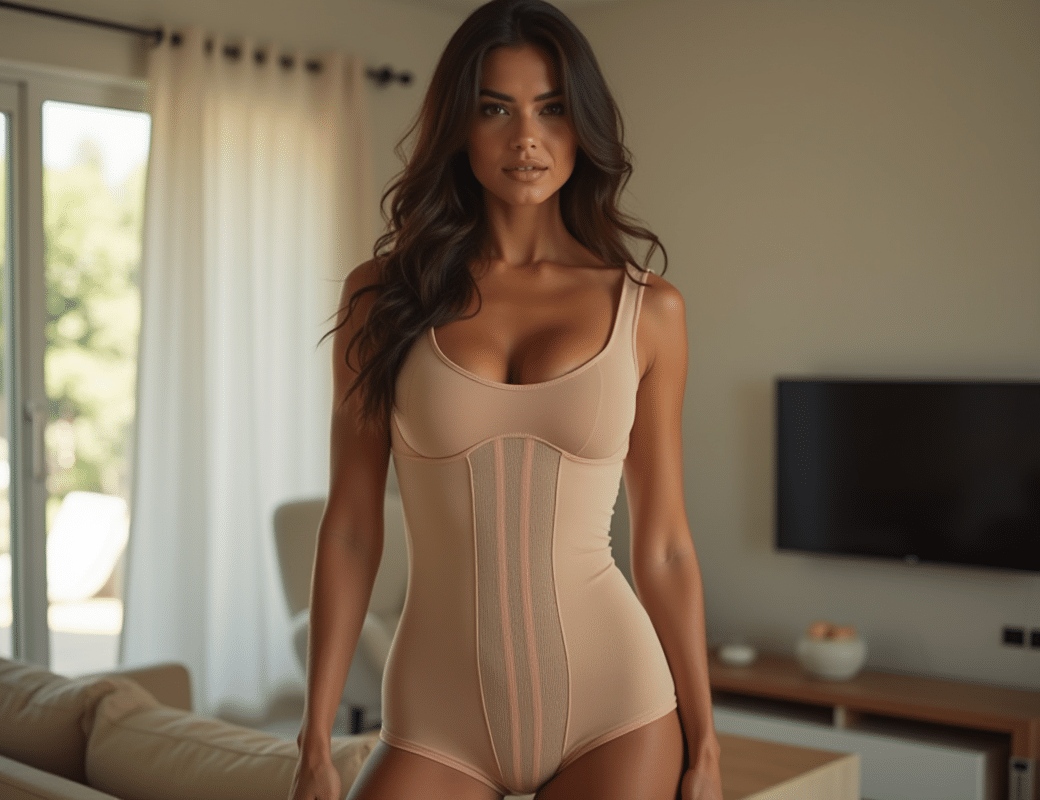
One-piece compression garments employ a more streamlined approach — covering most or all of the body area in need of support with a single, one-piece design. This style is frequently utilized post-surgery, for athletic recovery, or for individuals desiring consistent compression across a wide coverage area, like the torso and legs. A full-body suit, for instance, provides uniform protection from shoulders to ankles, with no gaps in between. That is, the pressure is constant throughout the body, which can aid inflammation or recovery. There are also cropped ones—like chest and stomach ones or lower body only ones—but all stick with the one-piece concept.
One of the primary advantages of one-piece garments is that they have fewer seams. Most two-piece sets have seams at the waist or hips whereas one-pieces are seamless. Less seams mean less chance of chafe or skin irritation, which is great if you wear it for long hours. For those with sensitive or healing skin, this smoothness can be a world of comfort! For example, a friend of mine recently recovering from an abdominal surgery would select a one-piece to prevent incision line seam marks or friction.
The one-piece style is simple to don. Not matching tops and bottoms, you only have one thing to pull on or zip up. This can be a time saver, especially in or after the shower. It’s convenient for folks with restricted hands, or anyone who wants to get dressed quick. For instance, a patient that must wear compression all day may find it less of a hassle to deal with a one-piece suit than two.
One-piece garments provide consistent compression throughout the entire covered region. This can help keep blood flow consistent and enhance swelling management. The material stretches in one way, so there are no points of vulnerability at the waist or gaps between panels. For post-lipo patients or anyone requiring even compression, a one-piece garment assists in preventing gaps or rolling edges. It means less shifting throughout the day, which can make people feel more comfortable at work or while commuting.
Two-Piece Garments
Two-piece compression garments consist of a separate top and bottom, providing wearers more options to tailor the fit to their individual body shape. This arrangement assists individuals in selecting sizes that fit their figure more appropriately, which is important when one’s hips and waist require different fits or when the body fluctuates. So if you’re, say, a runner with a small waist and very broad shoulders, you probably have to wear a M top and an S bottom. This mix-and-match feature allows wearers to maximize garment utilization, as they can interchange only one piece should their requirements shift.
Separates make it easier to adjust how tight each piece is. If you need additional firm for your legs post surgery but a lighter grip for your torso, a two piece system accommodates that. This is useful for those who require compression in only one area, such as after a knee injury or swelling in the arms. Modifying the fit is as simple as selecting a new top or bottom, rather than investing in an entirely new ensemble.
Layering is another advantage. Two-pieces allow wearers to add additional layers under or over the compression wear when it turns cold. For example, it’s convenient to pull on a warm shirt over a compression top without over-bulking the lower half. Outdoor workers, athletes or anyone in cooler climates can stay warm without sacrificing the benefits of their compression. This option is great for all of you who like to keep moving in the elements.
Two-piece options add even more style options as well. Brands offer an extensive variety of cuts, colors, and fabrics. This allows wearers to choose a look that suits their own style, whether fitted long-sleeve tops or short-sleeve tees or high-rise leggings. A few of the items appear near normal wear, so users can sport them outside the gym or clinic. This diversity allows users to take pride in what they wear, rather than wearing it as a ‘mask’.
Overlooked Factors
Compression doesn’t just contour or help muscle recovery. The one piece versus two piece decision can depend on more overlooked factors such as psychological comfort, layering, durability, and gaps in fit.
Psychological Feel
It makes a difference to feel good in a compression garment when you’re working out or rehabbing an injury. Others receive an ego injection from the tight hug these clothes provide, making them more inclined to workout or rehab.
The psychological ease of being ‘held’ can impact how long you wear a garment or adhere to your routine. Personal preference is huge—some love the simplicity of a one-piece swimsuit, whereas others like to mix and match tops and bottoms for a personalized look. Colour and style matters too, because if you like wearing it you tend to wear it more.
Layering Systems
-
Go moisture-wicking base layer beneath the compression garment when training in cold weather.
-
Choose thin, resilient fabrics to prevent weight and preserve compression.
-
Pair similar fabrics to limit chafing and overheating.
-
No piling on tight clothes, either, as it inhibits circulation.
Layering assists in heat retention in cold environments and allows for perspiration to evaporate in warmer ones. Selecting compatible pieces can keep you dry or warm without obstructing the garment’s function. Verify that your layers aren’t undermining the pressure zones of the compression garment.
Material Fatigue
Material fatigue is when fabric fibers lose stretch or strength over time, reducing the level of compression or support a garment could provide. This can be caused by frequent washing, stretching and wear.
It’s clever to feel for loose threads, thinning areas, or shifts in tightness. Wash with mild soap and air dry to prolong their life. Alternate between pairs if you wear them frequently.
Compression Gaps
Typical gaps develop at joints—knees, elbows, ankles—and at seams. These decrease support and can be uncomfortable.
-
Check for holes at folds, seams or fabric amalgamations.
-
Select the appropriate size and see how it fits in various moves.
-
Adjust straps, zips, or hems to remove slack.
Try walking, squatting or stretching in the piece to identify holes ahead of time. A good fit implies no loose areas or pinching.

Material Science
Compression garments utilize a combination of fibers to provide consistent compression, aid in support, and increase comfort. The material mix defines how well a garment performs and feels. Whether one piece or two piece, both use similar materials, but the blend and construction can transform the fit and texture.
|
Material |
Main Use |
Key Properties |
Common Garment Type |
|---|---|---|---|
|
Nylon |
Base fabric |
Strong, smooth, dries fast |
Both one and two piece |
|
Spandex (Lycra) |
Stretch and recovery |
High stretch, holds shape |
Both, often mixed |
|
Polyester |
Moisture control |
Wicks sweat, light, sturdy |
Both, often for sports |
|
Cotton |
Comfort, breathability |
Soft, breathes, soaks sweat |
Some two piece casual |
|
Microfiber |
Soft feel, light |
Thin, wicks, smooth |
High-end one piece |
Moisture-wicking is essential for comfort, particularly if you’re wearing compression garments for extended periods or during periods of high activity. Polyester and microfiber shine here. They wick sweat away from the skin and assist it in drying quickly, which keeps skin cool and combats skin issues, such as rashes. Nylon isn’t as good as polyester or microfibers for wicking, but it does dry faster than cotton. Cotton, while soft, holds sweat and can feel clammy, so it’s best for brief wear or lower temperatures.
Elasticity is what allows these garments maintain their grip over time. Spandex is what provides the majority of the stretch. Its role is to allow the shirt to flow with the body and spring back into shape, wash after wash. The more spandex in the blend, the longer the garment maintains its compression. If a piece has less spandex, it might lose its tightness sooner, which decreases its support. This is important for both one and two piece styles, but 2 piece styles may require a little more stretch at the waist or thighs to keep in place.
Breathability, temperature control — all concern how the fabric allows air to circulate. Microfiber and polyester perform great at letting air flow, which helps keep you fresh and comfy. Nylon comes close but is not as light. Cotton breathes but absorbs, leaving skin clammy after a time. In hot locations or during athletics, a mix with more polyester or microfiber can assist to prevent heat retention.
Your Personal Fit
Choosing between a one piece and a two piece compression garment starts with knowing what you need most. Not all bodies are the same. Some people may want full coverage or a seamless look, while others might care more about ease of use and flexibility. Self-assessment is key. Think about where you need support. For example, a one piece can cover the whole trunk and both legs, good for post-surgery or if you want even pressure. A two piece lets you choose top and bottom sizes, which can help if your waist and hips need different fits.
Trying on a couple of styles is key. How a garment drapes with your body is important. Some folks prefer a one piece because it tends to fit tighter, but is more difficult to get on and off particularly if you’re less mobile. Two piece sets, like separate tops and leggings are easier to handle if you want to get dressed in phases or have to visit the bathroom a little more frequently. For instance, if you have a long torso, a two piece fits better and doesn’t pull at the shoulders or ride up.
Body type influences what dress is most flattering. If you have a curvier body or different proportions, a two piece is much more simple to modify. Sizing for compression wear isn’t exactly the same as normal clothes. Take important measurements in centimeters—such as your waist, hips, chest and thighs—for optimal precision. Try to use each brand’s sizing charts because they vary. If you’re borderline between sizes, consider the amount of compression you desire. Tighter fits deliver more pressure but tend to be less comfortable. Looser fits are gentler on the skin but might not provide enough support.
Making your fit work is a matter of style and size. Certain brands provide adjustable straps, hook-and-eye closures, or stretch panels. Seek out options that allow you to adjust the fit as swelling and body shape changes. Mix and match sizes in 2 piece sets if you’re top and bottom sizes differ.
Conclusion
Deciding between 1 and 2 piece compression garments requires some serious consideration. Both styles have obvious advantages. One-piece suits typically provide more consistent support. Two piece sets give you more mix and match options for everyday life. Consider how each style fits your schedule, their ease-of-donning, and what just feels right for you. Verify the material and maintenance requirements as well. Seek actual comfort and consistent fit, not just a slick appearance. Test out a few styles if possible. For more tips or to share what works for you visit our resource page or contact us! Being comfortable in what you wear makes all the difference in your day.
Frequently Asked Questions
What is the main difference between one-piece and two-piece compression garments?
One pieces cover your body with one piece of fabric, whereas two pieces consist of a top and bottom. This impacts both ease of dressing and targeted compression.
Which type of compression garment is easier to put on and remove?
Anyway, two piece is easier to put on and take off. They enable you to dress in sections, which can be beneficial if you have limited mobility.
Are one-piece compression garments better for full-body coverage?
Yes, one-piece garments offer uniform compression to the covered area. They can work better if you require even support over a larger area.
What materials are commonly used in compression garments?
Almost all compression garments are made with some type of elastic fiber, like nylon and spandex. These fabrics provide stretch, strength, and compression.
Can I wash compression garments in a washing machine?
Most, if not all, of the compression garments can be washed in a machine using cold water and gentle cycles. ALWAYS refer to the manufacturer’s guidelines to avoid compromising the fabric and compression.
How do I choose the right fit for my compression garment?
Don’t guess – measure yourself carefully with a tape measure, and adhere carefully to the manufacturer’s sizing chart. A good fit provides the best compression and comfort.
Do compression garments lose effectiveness over time?
Yes, with wear and washing compression garments can get lose elasticity. Swap them out according to the manufacturer’s suggestions.