
Key Takeaways
-
Liposuction cannulas not only remove fat but help shape body contours, with their size and design influencing surgical efficiency and results.
-
Cannulas vary in diameter and length. These factors are selected according to the treatment area’s size, fat consistency, and patient anatomy to allow for optimum fat removal and minimal tissue trauma.
-
Smaller cannulas are preferred for delicate or smaller areas and result in less scarring and quicker recovery time. Larger cannulas can extract larger quantities of fat but may extend the recovery period.
-
A thoughtful combination of cannula sizes and techniques can help optimize surgical results, maximize patient satisfaction, and attain more refined contours.
-
Tip design and port configuration are significant for effective fat aspiration and tissue preservation. Cannula diameter is also important.
-
Knowing how cannula size plays a role allows patients to form reasonable expectations for recovery, skin tightening, and results after liposuction.
Liposuction cannula sizes explained. This is how doctors choose the appropriate instrument for fat extraction by the tube’s length and diameter. All sizes are optimal for a body location or fat type.
Small cannulas typically contour the face or arms. Larger ones treat the stomach or thighs. Understanding why size is important helps you understand how physicians plan safe, smooth results.
Up next, highlights about size and application.
Cannula Purpose
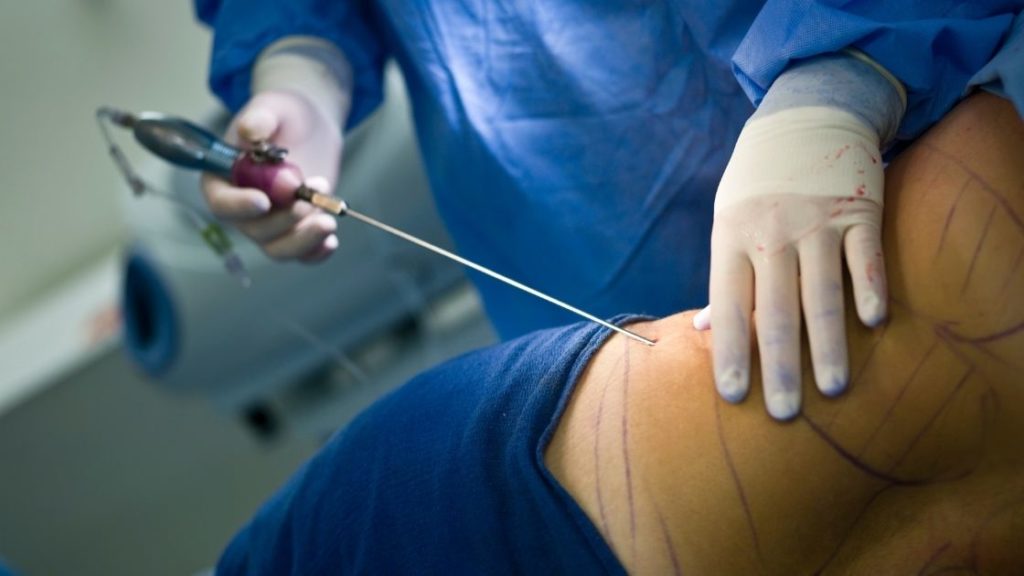
Liposuction cannulas are thin, hollow tubes that serve as the core instruments in extracting unwanted fat from targeted areas of the body. Surgeons shove these instruments through small incisions and then use them to vacuum out fatty buildups. Cannulas allow fat to be targeted precisely, sculpting the body to each patient’s desired outcome.
They determine how much fat is aspirated, how easily the tissue heals, and ultimately the outcome of the procedure. In addition to extracting fat, cannulas assist in dispersing tumescent fluid, which enhances fat extraction and patient comfort.
Fat Aspiration
Cannulas are designed to slide smoothly through fatty tissue and suction fat cells. The tip and side holes are designed to vacuum fat uniformly, reducing damage to surrounding tissues. Larger cannulas, for example, 5 mm or 6 mm, are selected for regions with dense, hard fat, such as the back or thighs.
They can extract more fat at a time, but they might not be suitable for every location. The diameter of the cannula is important. A 2 mm cannula is ideal for fine work or areas that require attention such as the face. It maintains smooth tissue and prevents oil cystic nodules.
The 2.5 mm cannula provides greater fat retention, making it ideal for procedures such as breast reconstruction, but it may possibly result in oil cystic nodules. A wider cannula pulls more fat out at a time, which may accelerate the process. The lower inlet pressure and slower maximum speed in larger cannulas assist in safeguarding the viability of fat cells, a key factor should the fat be re-employed for grafting.
When dealing with thinner fat, the 2 mm cannula performs better. Size selection is based on location and fat type.
Tissue Sculpting
Cannulas enable precise sculpting of the body’s curves by permitting surgeons to extract fat one layer at a time. Their contour and dimension assist the surgeon in directing fat removal volume and influencing the appearance of the skin above after healing.
-
Use fanning strokes to make a smooth, even surface
-
Cross-hatching blends the edge between treated and untreated areas.
-
Feathering to soften transitions and avoid sharp step-offs
-
Multi-plane passes allow for uniform extraction across varying tissue depths.
Various cannulas—straight, curved, blunt or fine-tipped—are selected based on the region and shaping technique required. For instance, curved or fine cannulas are best for the face or hands, whereas straight, wider ones fit bigger body parts.
Surgeons who can use cannulas well have skill and experience because small decisions made in technique can alter the end appearance.
Fluid Tumescence
|
Benefit |
Effect on Procedure |
|---|---|
|
Reduces bleeding |
Less blood loss, safer surgery |
|
Makes fat easier to remove |
Smoother, more even extraction |
|
Lowers pain during surgery |
More comfort for the patient |
|
Supports quicker recovery |
Less bruising and swelling |
Fluid tumescence utilizes a saline solution combined with local anesthetic and adrenaline. Cannulas assist in distributing this blend throughout the fat layer. This inflates the tissue, breaks up fat cells, and facilitates extraction.
Properly placed fluid is less traumatic to the tissue, therefore there is less risk of swelling and bruising. Cannulas push tumescent fluid through the fat and help make sure it gets everywhere it needs to go.
It’s essential for easy, safe fat extraction. For patients, this approach translates into less postoperative pain and a quicker recovery to everyday life.
Size Spectrum
Liposuction cannulas vary in sizes. Both the diameter and length of a cannula can influence not only the quantity of fat removed, but the quality of the fat and degree of tissue trauma. Understanding the size spectrum is crucial when it comes to pairing the tool to the task—whether it’s subtle facial sculpting or eliminating more substantial amounts on the stomach or thighs.
In practice, knowing the nuances makes all the difference when it comes to safety and outcome, which is why cannula size is an important consideration in modern liposuction strategies.
1. Micro Cannulas
Micro cannulas are the tiniest, typically between 0.7 and 1 mm in diameter. They’re ideally designed and used to add detail to areas requiring very fine detail, such as the face, hands, or neck. Their special shape enables surgeons to aggressively focus on minuscule fat clusters without hurting surrounding tissue.
Micro cannulas are especially useful when fat is harvested for facial grafting, where smaller particles, often under 1 mm, are required for aesthetic smoothness and enhanced graft survival. Smaller cannulas lead to less tissue trauma, which accelerates healing and minimizes swelling and bruising.
This is why micro-fat injections, performed with 1- or 0.7-mm cannulas, have become routine for facial procedures. When harvesting fat for grafting, particles from a 1-mm cannula can be injected through a 20-gauge needle without clogging, which is critical for uniform distribution and long-term results.
2. Small Cannulas
Small cannulas, usually 1 mm to 2.5 mm in diameter, suit situations in which fat extraction has to be precise but span more territory than micro-fat work. They’re frequently selected for touch-ups or to flatten small bulges on the arms, neck, or inner thighs.
Surgeons like these because they can precisely target localized fat deposits without needing to make large incisions. Smaller cannulas mean less scarring and more comfort for the patient as the wounds are minuscule and rapid to heal.
For patients seeking subtle changes or worried about visible scarring, small cannulas offer a nice compromise between efficacy and safety.
3. Medium Cannulas
Medium cannulas, typically between 3mm and 4mm, are the workhorses for many common procedures. They’re employed in regions such as the abdomen, flanks, and outer thighs that require moderate fat reduction.
The Coleman technique, the best-established standard, employs a 3-mm cannula for harvest. This size strikes a balance; it is large enough to effectively suction fat and small enough to limit tissue destruction and maintain viable fat cells for grafting.
Fat harvested with a 4-mm cannula produces fat particles of varying sizes, which is great for body contouring but less than optimal for delicate grafting. Medium cannulas are a good fit for various fat types and body areas, providing consistent, pleasing outcomes for many patients.
4. Large Cannulas
Large cannulas, typically 5 mm to 6 mm or more, are reserved for extracting sizable quantities of fat, particularly from regions with thick, fibrous tissue such as the back or male chest. Their large diameter allows the surgeon to work more quickly and sweep through dense fat more effectively.
The disadvantage is that these cannulas can be more traumatic to tissue, increase the chance of irregularities, and increase recovery time. In some instances, such as treating dense fat in the abdomen, a large cannula is preferred for speed and to break through fibrous tissue, but careful technique is required to avoid contour irregularities.
Particles greater than 2 mm in diameter are at risk for necrosis secondary to lack of blood supply, so large cannulas are not ideal for fat grafting where particle viability is important.
Size Selection
Cannula size selection in liposuction is a delicate balance of several technical and patient-based considerations. The following considerations guide the choice of cannula diameter and design to ensure both safety and desired results:
-
Treatment Area: Different body areas have unique anatomical and fat distribution patterns. The cannula must match the region’s requirements.
-
Fat Consistency: The density and texture of fat affect how well different cannula sizes perform and influence both efficiency and graft retention.
-
Patient Anatomy: Individual differences in skin, fat, and tissue layers matter for safe and effective fat removal.
-
Desired Outcome: The surgeon’s and patient’s goals, from large volume removal to precision sculpting, dictate the optimal cannula choice.
Treatment Area
One of the primary factors taken into account is the body area being treated. In larger areas, like the abdomen or back, larger cannulas, usually in the 5 mm to 6 mm or greater range, are needed to remove fat quickly while covering a larger surface area.
Smaller or more delicate areas, like the face or neck, require smaller cannulas, typically around 2 mm, to provide precision and minimize the risk of contour irregularities. Fat location also differs. Dense, fibrous fat in the male chest or upper back responds well to larger, more rugged cannulas.
Cannula size has to go along with the natural shape of the region, so a smaller cannula might be best for areas with sharp curves or fine detail. Selecting a cannula that fits the area’s size can make the procedure faster and minimize trauma in adjacent tissues.
Fat Consistency
-
Dense, fibrous fat: 5–6 mm cannulas
-
Loose, low-viscosity fat: 2–2.5 mm cannulas
-
Areas needing high fat graft retention: 2.5 mm cannula
-
Fine detail/facial fat: 2 mm cannula
Fat density affects cannula extraction efficiency. A denser fat layer, like in the upper abdomen, needs a larger diameter to flow and resist less. For fat graft retention, a 2.5 mm cannula is usually used, as it induces less cell damage and retains more mass than a 2 mm cannula.
This 2.5 mm size can make the whole oil cystic nodule thing more likely, which is why the 2 mm size is typically selected for facial work. As a finishing touch and low pressure suction, the 2 mm cannula comes in handy.
Patient Anatomy
Your skin thickness, fat layer depth and body composition all come into play. Thicker skin or deeper fat stores may warrant a larger cannula, whereas thinner skin or shallow deposits call for finer tools.
Other patients have more fibrous tissue, requiring a design that reduces trauma. Cannula size and style need to be customized to the body’s unique shape to prevent lumpy outcomes. By tailoring the tool to the patient, the surgeon reduces complication rates and enhances fat viability if grafting is performed.
Desired Outcome
Aims range from aggressive volume reduction to gentle contouring. For big-volume debulking, bigger cannulas take out more tissue quicker but with less finesse. Smaller cannulas provide more control and smoother contours, which are valuable for sculpting or precision work.
Fat grafting procedures, such as reconstructive breast surgery, typically utilize a 2.5 mm cannula for enhanced retention. However, smaller sizes may be more appropriate for sensitive locations. By matching cannula selection to patient expectations, we can deliver a natural-looking result that accomplishes their goals.

Patient Impact
Liposuction cannula size has a direct impact on patient outcomes from recovery time to the end result. The cannula size and design, in addition to controlling the volume of fat extracted, impact tissue recovery, skin retraction, and patient satisfaction over the long term. Patients may pursue liposuction to attain a flatter body or more defined facial contour, and the technical decisions made during the surgery, such as cannula size, can impact them for years to come.
Recovery Time
Patients want quick healing. Cannula size determines recovery time. Microcannulas under 3 mm cause less tissue damage. With less bruising and swelling, patients tend to get back to their day-to-day lives sooner. Since the cannulas are smaller, the tunnels they create are smaller, and complications like seroma or hematoma are much less common.
Bigger cannulas like 6 mm wide ones suck out more fat rapidly, but break up more tissue. This could translate to extended recuperation, increased discomfort and a greater risk of swelling or bruising. Patient IMPACT: Patients need to understand that faster fat removal doesn’t necessarily translate to reduced downtime. It helps to establish expectations pre-surgery, so there aren’t any surprises post.
Skin Retraction
Skin retraction is critical for smooth outcomes. Cannula size helps determine how well skin retracts after fat is extracted. Smaller cannulas allow surgeons to make more precise motions, which can assist with uniform skin retraction, particularly in regions with thin or fragile skin.
The cannula diameter relates to tissue trauma. Bigger cannulas don’t necessarily have the same skin tightening effect. Loose skin or unevenness is something that some patients notice, particularly if the skin quality itself isn’t great to begin with. If you have nice skin elasticity, going microcannula means more retraction and a more effortlessly smooth appearance.
You actually have to consider skin health prior to selecting a cannula. Patients with less elastic skin might not get the same tightening, so they need to understand the boundaries of what a procedure can accomplish. Establishing actual goals keeps you from getting discouraged.
Final Contours
Cannula size contours the ultimate aesthetic. Smaller cannulas provide plastic surgeons greater control for precise sculpting and smoother outcomes. They prevent lumpy or uneven fat extraction. This is important for sensitive regions such as the face or neck, where control is crucial to minimizing a double chin or sculpting contours.
Bigger cannulas are occasionally employed for larger regions or when a significant amount of fat needs extracting. They can accelerate the process but may produce more amorphous outcomes. The cannula’s design and size must correspond to the contour being sought and the patient’s body type.
Choice cannula precision for enhanced body sculpting impact. It mitigates the risk of spotty outcome. For fat grafting, while a larger cannula (6 mm) improves fat cell survival, the risk of tissue trauma increases. Fat preserved at +4°C for as long as two weeks, but freezing damages cells. Injection needle size (14g, 16g, or 20g) may not alter graft outcomes significantly, but fat handling does.
Technique Synergy
About Technique Synergy
Combining different cannula sizes during liposuction can bring real benefits for both fat removal and grafting. Each cannula size performs optimally for a certain objective. Larger ones tend to move more fat more quickly, whereas smaller ones provide precision and assist in contouring more sensitive areas. The appropriate size combination allows surgeons to customize their work for each patient’s needs.
-
Use of bigger cannulas (e.g., 2.5 mm) to suck out bulk fat from larger body parts quickly with minimal tissue trauma.
-
Transition to mid-size cannulas for uniform extraction and seamless blending between treated and untouched areas.
-
Switch to smaller cannulas, like 2 mm, for accurate sculpting in areas where skin is thin or close to delicate structures, such as the face or neck.
-
Choose cannula size according to tissue. Less viscous fat is well treated by smaller cannulas.
-
Trust finite element analysis tools such as ANSYS 17.0 to simulate inlet pressure and velocity, predicting how each size will impact fat cell survival and graft quality.
-
Stick to histological analysis to monitor side effects, such as oil cystic nodules, which are more prevalent with larger cannulas and can reduce fat graft quality.
-
Modify cannula size and technique to maintain inlet pressure and velocity in the ideal range for increased graft survival.
Surgeons in turn combine these techniques to get even better results. For example, employing a 2.5 mm cannula first can aggressively delipidate large volumes of fat, an asset for body contouring. When grafting, that same cannula’s lower inlet pressure and velocity translate into more fat cells surviving, which can improve graft retention. The danger of oil cystic nodules is greater, thus cautious technique is crucial.
For facial rejuvenation, a 2 mm cannula is frequently favored because it maintains lower pressure and mitigates trauma, which fits with the thin tissues in this region. It matters to match the cannula size to the technique. The physical properties of the fat, like viscosity, have a significant influence. Low viscosity fat is easier to aspirate with small cannulas.
Surgeons might use software simulations to plot how different cannula sizes will interact on a patient’s tissue. This allows them to target optimal graft survival and less tissue trauma. Technique synergy is where the surgeon considers all parameters, including cannula size, fat variety, graft objectives, and patient anatomy.
By mixing and matching these options, they can enhance fat removal, preserve more graftable fat cells, and achieve patient goals more frequently.
Beyond Diameter
Cannula size is only part of the story. More than diameter in liposuction instruments, important considerations such as tip design, length, and port layout all affect how effectively fat is removed, how much tissue is preserved, and what areas of the body can be treated. These specifics aren’t mere engineering; they define actual results for surgeon and patient alike. Cannula selection characteristics should correspond to the anatomical region, fat quality, and desired surgical outcome.
Tip Design
|
Tip Design |
Benefit |
Best Use |
|---|---|---|
|
Blunt tip |
Protects nerves/vessels, less trauma |
Large areas, low risk |
|
Spatula tip |
Spreads tissue, precise fat removal |
Face, neck, fine sculpting |
|
Mercedes tip |
Multiple ports, good flow |
Abdomen, thighs |
|
Bullet tip |
Easy entry, smooth movement |
Dense, fibrous fat |
Blunt tips nowadays are standard in modern liposuction procedures because they reduce the risk of injuring nerves or blood vessels. They assist in keeping tissue damage small, which can accelerate healing and minimize swelling. As for finer work such as facial rejuvenation, where tissues are thin and sensitive, blunt tips reduce trauma yet permit consistent fat extraction.
Different tip shapes are designed for specific tasks. A spatula tip works well in nooks or shallow regions, allowing surgeons to sculpt contours with precision. Bullet tips are used to punch through harder fat like the back or flanks. Mercedes tips, which have multiple side ports, increase suction and more evenly extract fat, particularly in larger regions.
Selecting the proper tip is more than a technical decision. It transforms the result. For example, a blunt tip works best for safe, wide fat suction, whereas a spatula tip allows greater precision in hard-to-reach areas. Beyond diameter, matching tip design to your goal leads to better sculpting and less risk.
Cannula Length
The length of the cannula aids in accessing fat at varying depths. Longer cannulas, typically 25 cm or longer, provide entry to deep fat stores and are therefore helpful in the abdomen or thighs. For surface fat or smaller areas such as the chin, shorter cannulas, perhaps 10 to 15 cm, are optimal.
Short cannulas are simpler to manage, which is a key benefit when working in areas requiring precision like fine lines or light curves. They prevent over-penetration and assist in keeping skin looking even. Long cannulas, which are extremely helpful for large surface areas, can be difficult to navigate and can potentially create more tissue strain if not carefully manipulated.
By matching the cannula length to the treatment area, fat removal remains balanced. For instance, employing a long cannula in the thigh allows the surgeon to access several layers in a single pass. In the arms, a shorter cannula maintains results tight and natural.
Port Configuration
Port configuration refers to the number of holes on the tip and their placement. This alters the cannula suction intake and suction force. Several tiny ports can disperse suction, reducing tissue trauma and aiding in the preservation of healthy fat cells. Fewer, larger ports extract more fat but increase the likelihood of tissue injury.
Strategically located ports accelerate fat elimination and smooth the process. If your intention is to keep fat cells alive for grafting, like breast reconstruction, a cannula with more ports and lower pressure can assist. The contours and multiple ports assist in driving fluid out, reducing swelling and protecting tissue.
Selecting the appropriate port design is a matter of location and objective. For dense or fibrous fat, larger ports may be optimal. For thin fat layers or when salvaging cell viability is paramount, more smaller ports perform best.
Conclusion
Liposuction works best with the right tools, and cannula size shapes both the process and result. Small sizes provide more control and assist with fine lines. Large ones accelerate the work in larger zones. Surgeons decide carefully, considering body contour, safety and the individual’s style. Each size has a specific task, not just a number or length. It’s these new methods and fresh ideas that keep changing the field, making results better and safer for everyone around the world. For additional information or to consult with a specialist, contact a reputable clinic or qualified physician. Straight facts and real talk empower you to make great decisions for your body and your health.
Frequently Asked Questions
What is the main purpose of a liposuction cannula?
A liposuction cannula is a slender, hollow instrument utilized to extract fat from designated body regions during liposuction sessions. It assists surgeons in accurately removing fat cells for body sculpting.
How are liposuction cannula sizes measured?
Cannula sizes are based on their diameter in millimeters. Typical cannula diameters are between approximately 2 millimeters and 6 millimeters, providing surgeons options depending on the treatment area and desired outcome.
Why does cannula size matter in liposuction?
It influences the volume of fat extracted, the precision of the procedure, and the recovery period. Smaller cannulas are used for intricate or precise work. Larger ones can extract more fat in less time.
How do surgeons choose the right cannula size for each patient?
Surgeons choose cannula size based on the area being treated, the fat thickness, and the patient’s body type. You’re trying to get smooth, even results with as little trauma as possible.
Can the wrong cannula size impact patient results?
Yes, a cannula that is too large can create uneven results or more bruising. A cannula that is too small could extend the duration of your surgery and restrict fat extraction. The right size is important for safety and results.
Are smaller cannulas always better for liposuction?
Not necessarily. Smaller cannulas provide increased precision and smoother results in sensitive regions. For extracting greater volumes, larger cannulas are favored. Which type is best depends on the patient and the area treated.
Do different liposuction techniques require different cannula sizes?
Yes. Certain procedures such as micro-liposuction employ small cannulas for precision, whereas traditional or power-assisted techniques use larger sizes. The method and patient objectives direct the decision.