
Key Takeaways
-
While Semaglutide is effective for weight loss and controls hunger and gastric emptying, quickly losing fat can cause your thigh skin to tighten and become loose. Track body composition and establish reasonable, incremental fat loss objectives.
-
Maintain muscle mass through consistent strength training and sufficient protein consumption to help keep thighs firm and minimize saggy skin.
-
Back up skin elasticity with consistent hydration, collagen-boosting nutrition, and collagen-stimulating treatments when appropriate.
-
If the thigh tightening after semaglutide changes are mild to moderate, non-surgical options like radiofrequency, ultrasound, or microneedling can help. You should expect several sessions.
-
Consider surgery like thigh lift or body contouring for extreme loose skin once weight has plateaued. Discuss options with an experienced cosmetic surgeon.
-
Monitor results through BMI, body fat percentage, strength benchmarks, and before/after pictures. Work with clinicians or dietitians to customize a healthy plan.
Thigh tightening after semaglutide describes thigh firmness and skin transformations experienced by certain individuals following semaglutide-induced weight loss.
Studies report that decreased fat and mild muscle loss are associated with looser skin or, less frequently, tighter contours depending on exercise and age.
These outcomes depend on factors like how fast you lost weight, if you exercise, and your skin’s elasticity.
It covers causes, prevention with strength work, and realistic expectations.
Semaglutide’s Impact
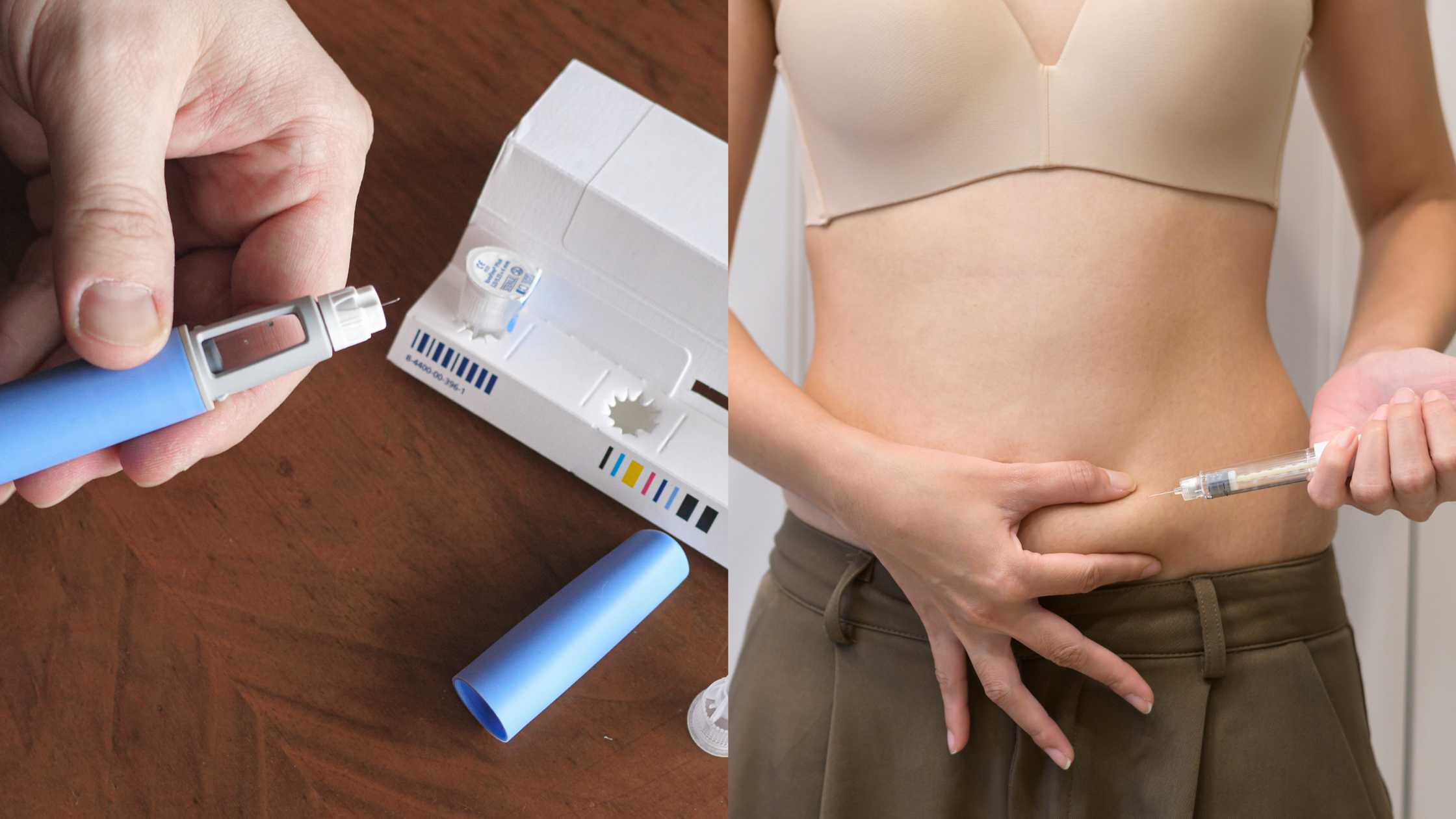
Semaglutide is a GLP-1 (glucagon-like-peptide-1) receptor agonist that suppresses appetite and gastric emptying, decreasing calorie consumption and controlling blood sugar. Administered via injection just once a week, the drug can generate significant weight loss. Clinical trials found a weight loss of approximately 15.9 kg over 68 weeks, or around 15 percent of body weight.
This swift reduction alters fat deposits and lean muscle, and those fluctuations influence thigh aesthetics and skin dynamics.
1. Fat Reduction
Semaglutide fights fat by nudging your body into a calorie deficit via appetite suppression and delayed stomach emptying, which frequently melts thigh and abdominal fat over months. Liposuction removes fat from targeted body parts, while semaglutide induces full body fat loss and doesn’t change anatomy.
Rapid fat loss can cause loose skin, so patients with moderate to severe thigh laxity might observe sagging after fat drops off fast. Body fat shrinks overall, resulting in legs that appear smaller but not necessarily firmer. For that, you typically need some muscle added and skin-supporting care.
2. Muscle Atrophy
Rapid weight loss can lead to loss of lean mass, and studies found that as much as 40% of weight lost with semaglutide was lean body mass, including muscle. Leg muscle loss is a noted risk and can feed into so-called “Ozempic legs,” where legs look thinner but weaker.
Without the reinforcement of strength training, muscle atrophy accelerates and skin support diminishes, exacerbating sag. To combat this, get resistance work in two to three times per week and consume enough protein. Aim for approximately 20 to 30 grams per meal to maintain muscle and keep your thighs tight.
3. Skin Elasticity
When weight decreases rapidly, skin can’t always contract at the same rate, resulting in loose or wrinkly skin on the thighs. Age, genetics, and decreased collagen production affect how well skin snaps back.
Younger individuals and those with stronger baseline collagen generally recover more. Collagen-inducing treatments, such as focused radiofrequency, microneedling, or retinoid creams, can assist but usually require multiple treatments. Typical concerns post-semaglutide are moderate skin laxity, apparent sagging, and thigh texture changes.
4. Body Composition
Semaglutide changes your body composition by reducing fat and occasionally lean mass, but it won’t change your body shape. Monitor these changes with BMI and body fat percentage and set attainable goals to minimize damage to skin and muscle.
One smart thing is to measure pre and post-treatment weight, BMI, body fat percent, and thigh circumference so you can see how things trend and adjust your nutrition and exercise accordingly.
Proactive Strategies
These proactive measures can help preserve skin quality as body composition changes with semaglutide. A strategic combination of workouts, nutrition, and skin care promotes tighter-looking thighs and prevents the likelihood of additional loose skin. The subsequent sub-sections describe concrete actions you can begin applying immediately.
Strength Training
Routine strength work retains muscle beneath the skin, which maintains thighs that are more full and firm throughout a diet. Concentrate on progressive overload for muscles, so they don’t waste but adapt and grow. Even small increases in muscle mass can dramatically change the shape of the thighs and reduce sagging.
Combine compound moves with single-leg work to target both the entire lower body and the stabilizers that sculpt the thigh. If you’re on semaglutide, plan strength sessions two to four times per week, based on your experience and recovery, and pair with aerobic work for total fat loss.
-
Squats (back, front, goblet)
-
Romanian deadlifts
-
Lunges (walking, reverse, lateral)
-
Step-ups with knee drive
-
Bulgarian split squats
-
Leg press or sled pushes
-
Hip thrusts and glute bridges
-
Calf raises and hamstring curls
Begin with controlled repetitions, emphasize full range of motion, and increase resistance gradually. Monitor weights and reps to make sure you’re still increasing intensity. Work with a trainer if form is uncertain.
Protein Intake
Sufficient protein helps maintain muscle and the collagen required for skin elasticity. Aim for a distribution of quality protein and not just in one huge serving. This not only aids muscle protein synthesis throughout the day but provides amino acids for skin repair.
Think lean meats, fish, dairy or fortified plant proteins, eggs, legumes, and protein-fortified grains or bars. For most adults looking to reduce fat while maintaining muscle, a typical recommendation is 1.2 to 2.0 grams per kilogram of body weight, depending on activity and health status.
Set a target by talking to a dietitian to figure out what works for individual aims and cultural food preferences. Create a simple table to log intake: columns for food item, portion size (g), protein (g), and running total to compare with daily target.
Utilize it every day for 2 to 4 weeks to identify holes and implement minor adjustments.
Consistent Hydration
Skin elasticity relies on hydration and circulation. Hydrate yourself throughout the day, not in big gulps. Hydration fuels cellular repair and can make your skin appear more plump.
Incorporate hydrating foods such as cucumbers, watermelon, oranges, and yogurt. Herbal teas and broths count as well. Track urine color as a simple test and strive for pale straw-colored urine the majority of the time.
Proactive Strategies: Monitor liquid consumption with meals to maintain hydration in the weight plan.
Gradual Loss
At the very least, shoot for a slow and steady pace of weight loss so your skin can adjust as the fat beneath it diminishes. Quick losses increase the risk of excess loose skin, while more gradual losses typically result in more even skin transformations.
Establish small weekly goals, such as 0.5 to 1 percent of body weight, and tweak calories and activity to fit. Pair strength training and protein consumption to maintain lean mass as you lose fat.
The Unspoken Reality
Rapid weight loss from semaglutide often brings mixed results: lower numbers on the scale but new concerns about loose skin and altered body shape. Stretched skin for years may not snap back. Thighs, buttocks, and face skin can sag or become lax after significant fat loss since skin elasticity is dependent on age, genetics, and how long the skin was stretched.
Prepare for inconsistency. Some individuals recover rigidity within months and others require more time or alternative steps.
Emotional and psychological impacts are typical and genuine. They applaud big weight loss and remain self-conscious about folds and creases or hanging skin. That distance between accomplishment and mirage can lead to frustration, erode self-esteem, or generate ambivalence about ongoing treatment.
It helps to have open talk with clinicians, peers, or counselors. Post-weight loss peer groups can help make the transition less isolating and give you a dose of reality about expectations.
Fast loss can mean muscle loss. Studies display that as much as 40% of weight lost can be lean mass when dieting or taking weight-loss drugs without taking deliberate measures to preserve it. That decreases thigh tone and may contribute to the appearance of sagging.
Strength work 2-3 times per week, including squats, lunges, and step-ups with progressive load, keeps or rebuilds muscle which supports skin and improves shape. Shoot for resistance sessions with safe loads and consistent progression.
Diet is really important for skin and muscle repair. Protein distribution, with around 20 to 30 grams of protein per meal distributed throughout the day, supports muscle repair and can potentially minimize lean mass loss.
Add lean meats, fish, dairy, beans, or tofu, or protein shakes when necessary. Water keeps skin working; drink a minimum of six to eight glasses, around two liters, a day to keep tissues healthy and repair going.
Simple meal plans that meet protein targets and pair with resistance training provide the optimal opportunity to naturally tone tight thigh muscles.
Semaglutide side effects can make nutrition and exercise more complicated. Nausea, stomach cramps, or bloating can suppress appetite or make it difficult to consume the foods required to maintain muscle.
Discuss these impacts with your practitioner so you can tweak dose timing, food choices, or support. Surgical options and non-surgical skin treatments exist for persistent laxity, but expectations should be realistic.
They carry risks and costs and may not fully restore pre-weight-gain skin.
Non-Surgical Solutions
Non-surgical solutions provide feasible care options for mild to moderate thigh skin laxity following semaglutide-related weight loss. These alternatives target increased firmness and texture without anesthesia or extended recuperation. Many patients elected them when there was minimal excess skin and fair skin quality.
Going to a cosmetic skin clinic or med spa helps customize a regimen that suits age, skin type, and objectives.
Radiofrequency
Radiofrequency uses carefully controlled heat energy to stimulate collagen and tighten sagging skin. Devices emit energy at controlled depths to heat the dermis, inducing both immediate tissue contraction and longer-term collagen remodeling.
For moderate thigh laxity and cellulite, radiofrequency can demonstrate significant improvement in firmness and a smoother surface over a few months. Treatment plans typically include a series of spaced weeks apart. Several visits are needed to achieve noticeable, sustained transformation.
Compare radiofrequency with other non-surgical options by listing pros and cons: depth control and comfort versus slower results than surgery, minimal downtime versus need for repeated treatments. Radiofrequency under the surface of the skin, such as radiofrequency microneedling or Morpheus8, can penetrate to deeper layers of the dermis, making it beneficial for more mature, crepey skin.
Ultrasound
Ultrasound skin tightening energizes deeper layers beneath the skin to stimulate fresh collagen production and tissue lift. It is best for patients with mild to moderate laxity who desire non-invasive treatment and incremental, natural-appearing transformation.
Post-treatment tissue contraction can occur along with continued enhancement over weeks to months as new collagen matures. Most clinics recommend tracking outcomes with before-and-after photos taken under the same light and angle to judge progress.
Ultrasound works well for those who prefer no downtime, but expect one to three sessions depending on severity and device used.
Microneedling
Microneedling creates small, intentional wounds to trigger your skin’s healing response and increase collagen and elastin. It smooths texture, diminishes fine lines, and can assist mild sagging resulting from weight loss, particularly if skin retains good elasticity.
Pairing microneedling with topical serums or PRP boosts its effectiveness by transporting active ingredients and growth factors deeper into the dermis. Microneedling combined with radiofrequency dives deeper into the dermal layers to support elasticity and treat that crepey skin.
Ideal candidates have stable weight generally for 6 to 12 months and a BMI below 30 for optimal outcomes. Potential side effects of microneedling include:
-
Redness and mild swelling for a few days
-
Temporary pinpoint bleeding or bruising
-
Skin sensitivity and possible infection if aftercare is poor
-
Hyperpigmentation in darker skin tones if not done correctly
Non-surgical body contouring like Forma, RF microneedling, and ultrasound has high patient satisfaction and can produce long-lasting, subtle results in the right context.
Surgical Interventions
Surgical options target significant thigh skin looseness or surplus skin that persists even after weight loss with GLP-1s. These are for those with stubborn loose skin following significant weight loss when noninvasive methods have fallen short. Timing, health, and expectations direct the type of surgery. See a surgeon for an individualized program.
Thigh Lift
Thigh lift surgery eliminates loose skin and fat from the inner or outer thighs to sculpt a more toned shape. Incisions run in variable patterns. Medial thigh lifts use an incision in the groin, whereas lateral or belt-like lifts extend toward the hip or buttock crease to correspond to the region of laxity.
The surgeons couple skin removal with minimal liposuction when fat pockets persist. Ideal candidates have maintained their weight for a few months and have excess loose skin from major weight loss. Most plastic surgeons consider a BMI under 30 ideal.
If the skin hasn’t tightened up within 6 to 12 months post weight loss, a thigh lift might be in order. Those with good skin quality and minimal sag may instead be well served by liposuction and energy-based skin tightening.

Recovery includes short-term pain managed with medication, drains in some cases, and activity restrictions. Avoid heavy lifting and intense exercise for 4 to 6 weeks, with gradual return to normal activity thereafter. Scarring is permanent but often located where clothing or swimwear covers it.
Complications can involve wound healing issues, infection, contour irregularities, and numbness. Pros of thigh lift: predictable skin removal and lasting shape change. Cons: invasive surgery, longer recovery, and visible scars. Non-surgical options are less invasive, but they provide more modest results and may not be effective after massive weight loss.
Body Contouring
Body contouring is a type of surgery that addresses several areas, shaping the thighs, buttocks, abdomen, and back for a total transformation following significant weight loss. These typically involve body lift, tummy tuck, liposuction, thigh lift, and occasionally arm or back lifts.
Together, they can iron out folds, eliminate excess skin, and recontour pockets of resistant fat. Transformative results are possible: improved fit of clothing, reduced skin irritation, and higher self-confidence. Candidates need to wait at least 6 months after initiating semaglutide or weight loss surgery before major contouring.
Anyone who loses more than 5 kilograms per month, has a BMI over 30, or is older is at higher risk of remaining sagging.
|
Procedure |
Typical recovery |
Target areas |
Expected outcome |
|---|---|---|---|
|
Thigh lift |
4–6 weeks |
Inner/outer thighs |
Remove excess skin, firm contours |
|
Abdominoplasty |
4–8 weeks |
Abdomen |
Tighten fascia, remove skin |
|
Body lift |
6–12 weeks |
Thighs, buttocks, abdomen, back |
Global tightening after massive loss |
|
Liposuction |
1–4 weeks |
Local fat deposits |
Fat removal; may need skin tightening |
See a board-certified plastic surgeon so procedures can be matched, anesthesia and risks discussed, and a stepwise plan based on goals made.
Long-Term Outlook
Long-term changes post semaglutide need a well-defined plan connecting diet, exercise and skin care to keep your thighs firm and your body healthy. A consistent, protein-focused diet preserves muscle and a mild calorie deficit maintains fat loss. Aim for 1.2 to 1.6 grams of protein per kilogram of body weight per day when cutting to conserve lean mass. For a 70 kg individual, that is roughly 84 to 112 grams of protein.
Balance proteins with whole grains, vegetables and healthy fats to provide collagen-building nutrients such as vitamin C and zinc. Frequent small meals, with sufficient protein at every sitting, reduce muscle wastage and keep skin nourished.
Strength training is at the heart of long-term thigh tightening. Progressive overload, which means incrementally increasing load, reps or volume, encourages hypertrophy of the under-skin muscle, which tightens laxity. Work practical options like squats, lunges, deadlifts, and single-leg work.
Throw in weighted sets a couple of times a week and body weight on others. Add 20 to 30 minutes of targeted strength work each session and 150 minutes of moderate aerobic activity per week for heart support. Example weekly plan: two focused leg strength sessions, one full-body strength day, and three brisk walks or bike rides. Track progress with simple metrics: increased reps, heavier weights, or reduced time to complete a set routine.
Skin care accents diet and training by maintaining elasticity. Hydrating every day, wearing a topical retinoid or peptides when tolerated, and exfoliating regularly can help with texture. Prevent photoaging with sunblock and consider professional microneedling, radiofrequency or laser treatments that induce collagen in more advanced laxity.
These procedures are optimal when body weight is stable. Many practitioners recommend waiting at least three months after significant weight fluctuation before the procedure. If access or price is an issue, inexpensive tools such as a dry brush or massage can slightly increase circulation and skin tone in the long term.
They’re pragmatic inevitabilities. Have them check body weight, thigh circumference and do some easy strength tests regularly to catch muscle wasting early. If weight falls or strength dips, increase the protein and the resistance sessions.
Work with clinicians to check metabolic markers and modify semaglutide dosage should there be side effects or plateaus. As its composition shifts, define a fresh target: add 2.5 to 5 kg lean mass, reduce thigh circumference by 3 to 5 cm, and increase squat weight by 10 percent. Update every 8 to 12 weeks.
Mark milestones to maintain motivation. Celebrate non-scale victories such as increased mobility, better fitting clothes, or gained strength. See it as a long-term process toward health and confidence.
Conclusion
Thigh tightening after semaglutide Skin laxity is different for everyone based on factors like age, genetics, starting weight and speed of weight loss. Non-invasive treatments such as resistance training, specific full-body exercises, retinol-infused firming lotions and consistent hydration can aid in muscle and skin toning. For more major laxity, surgical options like thigh lift or liposuction provide definitive and quick transformation. Recovery times, scar patterns and cost vary by procedure. Monitor your results with pictures and straightforward measurements. Talk to a clinician about achievable targets and schedules. For a schedule that suits your lifestyle, identify mini-goals, maintain consistency and have a professional check-in. Schedule a consultation or send your photos to discuss personalized next steps.
Frequently Asked Questions
Can semaglutide cause loose skin on the thighs?
Yes. Fast or significant weight loss from semaglutide can leave behind loose thigh skin. Skin elasticity, age, genetics, and how fast you’re losing weight all impact how much laxity shows up.
How long after stopping semaglutide will thigh skin tighten?
No timeline. Some tightening can happen within six to eighteen months if weight remains stable and skin has good elasticity. For some, other treatments for visible tightening may be necessary.
What non-surgical steps help tighten thighs after semaglutide?
Build muscle with strength training, maintain steady weight, use firming creams, and practice targeted skin-care habits to tighten thighs after semaglutide. All of these moves can enhance tone and look over several months.
When should I consider surgical options for thigh laxity?
Think about surgery if the skin is causing pain, hygiene problems, or doesn’t improve 12 to 18 months after conservative measures. See a board-certified plastic surgeon for a personal evaluation.
Are there non-invasive medical treatments for thigh tightening?
Yes. Radiofrequency, ultrasound, and energy-based devices can enhance firmness with a series of treatments. Outcomes differ and are typically more subtle than surgery.
Will exercise alone reverse thigh sagging from weight loss?
Exercise assists by toning muscle and enhancing contour. It doesn’t often completely undo substantial loose skin. Exercise with that stuff always works better!
How can I reduce risk of loose skin while losing weight with semaglutide?
Weight loss should be gradual. Resistance training should be a priority. Hydration is key. Consume protein-rich foods. Use sun protection. These habits help maintain skin elasticity and minimize loose-skin risk.